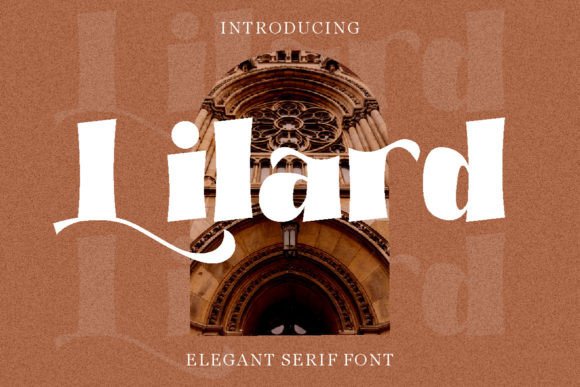
Lilard: Elevating Your Design with an Elegant Serif Font
In a digital landscape saturated with bold sans-serifs and minimalist geometric typefaces, finding a font that strikes the perfect balance between classic sophistication and modern clarity can feel like searching for a needle in a haystack. This is where Lilard – Elegant Serif Font steps in. It isn’t just another decorative typeface; it is a carefully crafted tool designed to bring grace, readability, and a touch of high-end polish to your projects. Whether you are a freelance graphic designer crafting a brand identity or a small business owner designing your first set of wedding invitations, understanding how to leverage a versatile serif like Lilard can significantly elevate the perceived value of your work.
What Makes Lilard Stand Out?
Lilard was not created to shout for attention through loud colors or exaggerated shapes. Instead, it relies on the timeless appeal of traditional serif design, refined with contemporary precision. The font features elegant curves that guide the eye smoothly across the page, paired with sharp, well-defined serifs that provide structure and stability. This combination results in a typeface that feels both luxurious and accessible.
For designers, the primary challenge with many "elegant" fonts is legibility at smaller sizes. Lilard addresses this by maintaining clean lines and open counters (the negative space inside letters like 'e' or 'a'). This ensures that while the font looks stunning as a large headline, it remains readable when used for body text or detailed information. The result is a versatile asset that doesn't force you to choose between style and function.
Real-World Applications: Where Lilard Shines
The true test of any typeface is how it performs in real-world scenarios. Lilard’s adaptability makes it suitable for a wide range of industries and personal projects. Here is how different users can apply this font to achieve specific outcomes.
Branding and Identity for Premium Services
If you run a boutique agency, a luxury skincare line, or a high-end consultancy, your visual identity needs to communicate trust and refinement. Using a heavy, blocky sans-serif might feel too industrial, while a overly ornate script could appear unprofessional. Lilard hits the sweet spot. When used in logo design or brand guidelines, it signals to your audience that you pay attention to detail. For example, a spa or wellness center using Lilard for its signage and menu creates an immediate association with calmness and exclusivity.
Wedding and Event Stationery
One of the most common and impactful uses for elegant serif fonts is in the realm of weddings and formal events. Couples and event planners often struggle to find fonts that look expensive without appearing dated. Lilard offers a modern twist on tradition. Imagine a wedding invitation suite featuring Lilard for the names and key details, paired with a simpler sans-serif for the logistical information. This pairing creates a sophisticated hierarchy that guides the guest’s eye naturally. The sharp serifs add a touch of formality, while the elegant curves keep the overall look inviting rather than stiff.
Packaging for Artisanal Products
In the world of retail, packaging is your silent salesperson. For coffee roasters, tea blenders, or craft chocolate makers, the label is often the only thing standing between a customer and a purchase. A generic font can make a premium product look mass-produced. By applying Lilard to labels, jars, or boxes, you instantly upgrade the aesthetic. The font’s clean yet graceful nature suggests that the contents inside are handcrafted and of high quality. It works particularly well on textured paper stocks, where the subtle details of the letterforms can catch the light and add tactile depth to the design.
Digital Content and Editorial Design
Bloggers, publishers, and educators are increasingly moving away from purely functional web typography toward more editorial styles. Lilard is an excellent choice for online articles, newsletters, or digital magazines. When used for pull quotes or section headers, it breaks up long blocks of text and adds visual interest without distracting the reader. Because it maintains a modern feel, it pairs seamlessly with standard web-safe sans-serifs, allowing for a cohesive look across both print and digital platforms.
Strategic Pairing for Maximum Impact
A powerful tip for getting the most out of Lilard is to avoid letting it do all the heavy lifting alone. While it is versatile, using it exclusively for every element of a design can lead to visual fatigue. The secret lies in contrast.
- Pair with Sans-Serifs: As mentioned, Lilard shines when balanced against clean, neutral sans-serif fonts. Use Lilard for headlines, titles, and emphasis, and rely on a simple sans-serif for body copy, data tables, or technical specifications. This creates a dynamic tension between elegance and utility.
- Use Weight Variations: If the Lilard family includes multiple weights (light, regular, bold), use them to establish hierarchy. A light weight can convey delicacy for subheadings, while a bold weight can anchor important calls to action or key messages.
- Consider Negative Space: Elegant fonts require room to breathe. Avoid cramming Lilard into tight spaces. Generous line spacing (leading) and margins will allow the sharp serifs and curves to be appreciated fully, enhancing the overall perception of quality.
Practical Considerations Before You Download
Before incorporating Lilard into your next project, there are a few practical aspects to consider to ensure a smooth workflow and legal compliance.
Licensing and Usage Rights
Always verify the license associated with the font. Some elegant serif fonts are free for personal use but require a commercial license for business projects, such as client logos, paid advertisements, or merchandise. Understanding these distinctions protects you from potential legal issues down the line. Ensure that the source you download from provides clear terms regarding digital usage, print runs, and resale rights.
Readability Testing
Even the most beautiful font can fail if it is not readable in its intended context. Before finalizing a design, test Lilard in various sizes and contexts. Does it remain legible on a mobile screen? Is it clear when printed in black ink on white paper? What about white ink on dark backgrounds? Small adjustments to tracking (letter spacing) or color contrast can make a significant difference in user experience.
Consistency Across Media
Think about how the font will translate across different mediums. A design that looks crisp on a high-resolution monitor might lose some of its delicate details when printed on low-quality paper. Conversely, a font that looks great in print might appear too thin on certain digital displays. Preview your designs in their final formats early in the process to catch any potential issues.
Final Thoughts
Lilard – Elegant Serif Font is more than just a collection of letters; it is a design decision that communicates intent. It tells your audience that you value aesthetics, clarity, and a refined approach to communication. Whether you are creating a personal blog, launching a new product line, or designing a once-in-a-lifetime wedding invitation, Lilard provides the structural elegance needed to make a lasting impression. By understanding its strengths and applying it thoughtfully within broader design systems, you can harness its power to create work that is not only seen but remembered.