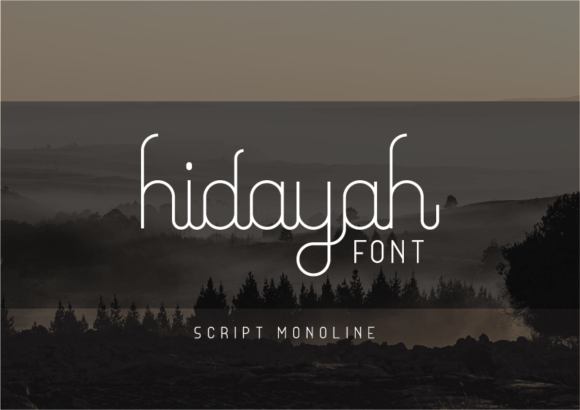
Solami Handwritten Font Review
In the landscape of digital typography, the distinction between a standard typeface and a handwritten font is often subtle but impactful. While sans-serif and serif fonts dominate the realm of readability and structure, handwritten typefaces serve a different purpose: they inject personality, authenticity, and a human touch into visual communication. Solami enters this niche as a streamlined, signature-style script that aims to bridge the gap between casual handwriting and professional branding needs. For designers, marketers, and business owners looking to add a layer of sophistication without sacrificing legibility, understanding the specific utility of Solami is essential.
Defining the Solami Typeface
Solami is categorized as a handwritten font with a smooth signature style. Unlike brush scripts or rugged calligraphy that emphasize texture and irregularity, Solami focuses on fluidity and elegance. Its design mimics the natural flow of a pen moving across paper, resulting in lines that are consistent yet organic. This aesthetic makes it particularly suitable for applications where a personal touch is required, such as branding materials, logotypes, and high-end stationery.
The font’s primary strength lies in its versatility within the "signature" genre. It avoids the overly decorative pitfalls that can make many script fonts difficult to read at small sizes. Instead, Solami maintains a clean geometry that allows it to function effectively in both display contexts and smaller body text scenarios, provided it is used with appropriate spacing and contrast against other typographic elements.
Key Characteristics and Technical Features
When evaluating a font for commercial or creative use, technical completeness is just as important as aesthetic appeal. Solami offers a robust feature set that supports modern design workflows:
- Standard English Letters: The core alphabet is designed with a cohesive weight and slant, ensuring that words formed from Solami look balanced and intentional.
- Numbers and Punctuation: A common oversight in handwritten fonts is the lack of matching numerals and symbols. Solami includes a full suite of numbers and punctuation marks that align stylistically with the letters, which is crucial for pricing lists, dates, and structured layouts.
- Alternates: The inclusion of alternate glyphs allows designers to break up repetitive letterforms. In cursive and script fonts, repeated letters (like 'e' or 'l') can look monotonous. Alternates provide variation, making the text feel more like genuine handwriting and less like a computer-generated string.
- Multilingual Support: Solami contains several accents that support multilingualism. This feature expands its usability beyond English-speaking markets, allowing brands targeting European or international audiences to maintain visual consistency without switching typefaces.
These technical attributes ensure that Solami is not merely a decorative afterthought but a functional tool capable of handling complex design requirements. The presence of proper kerning pairs and ligatures further enhances its reliability, reducing the manual adjustment time usually associated with script fonts.
Practical Applications in Branding and Design
The most effective use of Solami emerges in contexts where brand identity relies on concepts of trust, personal service, or artisanal quality. Because the font resembles a signature, it inherently suggests accountability and human involvement. This makes it an excellent choice for:
- Business Cards: Using Solami for a name or title on a business card can create an immediate impression of professionalism mixed with approachability. It stands out against minimalist backgrounds without overwhelming the contact information.
- Logotypes: For small businesses, consultants, or creative agencies, a logo incorporating Solami can convey a bespoke service model. It works well when paired with simple geometric icons or clean sans-serif subheads, creating a balanced visual hierarchy.
- Posters and Invitations: In event marketing, Solami adds a layer of elegance. Whether for a wedding, a corporate gala, or a product launch, the font’s smooth lines guide the eye naturally across the poster, enhancing readability while maintaining aesthetic appeal.
- Packaging Design: Artisanal products, such as cosmetics, gourmet foods, or craft beverages, often benefit from the handwritten aesthetic. Solami can be used to highlight key product names or taglines, suggesting that the product was crafted with care rather than mass-produced.
Evaluating Usability and Workflow Integration
For professionals managing tight deadlines and multiple projects, the ease of integration is a critical factor. Solami performs well in major design software suites, including Adobe Illustrator, Photoshop, and InDesign. Its vector-based nature ensures that it scales cleanly from favicon-sized icons to large-format billboards without pixelation or loss of detail.
However, users should be aware of the inherent limitations of script fonts. While Solami is smoother than many alternatives, it still requires careful attention to line height and tracking. Overcrowding Solami text can reduce legibility, especially when printed on textured papers or viewed on low-resolution screens. Best practices suggest using Solami for short phrases, headlines, or signatures rather than long paragraphs of body copy. When paired with a neutral, highly readable sans-serif font for informational text, Solami can anchor a design without competing for attention.
Audience Fit and Strategic Value
Who benefits most from incorporating Solami into their toolkit? The font appeals to a broad spectrum of creatives and business professionals:
- Freelancers and Consultants: Individuals who sell services based on personal expertise can use Solami to reinforce their personal brand. It signals that the client is working directly with an expert, not a faceless corporation.
- Small Business Owners: Entrepreneurs in lifestyle, wellness, or creative industries often seek to differentiate themselves through visual warmth. Solami provides an affordable and easy-to-use asset to achieve this differentiation.
- Marketers and Copywriters: For campaigns focusing on storytelling or emotional connection, Solami can be used in social media graphics and email headers to draw engagement. Its signature style feels intimate, which can increase click-through rates in personalized marketing materials.
- Educators and Publishers: In educational materials or publishing, Solami can be used for chapter headings or pull quotes to add visual interest without disrupting the reading flow of the main text.
The font’s multilingual capabilities also offer strategic value for global brands. By avoiding the need to source separate typefaces for different languages, designers can maintain a unified brand voice across international markets. This consistency is vital for building recognition and trust among diverse audiences.
Limitations and Considerations
No single typeface is a universal solution, and Solami is no exception. Its handwritten nature may not align with industries that prioritize strict neutrality, such as finance, law, or heavy industry, where clarity and tradition are paramount. In these sectors, the informality of a signature font might undermine perceptions of stability or authority.
Additionally, while Solami includes alternates and accents, it is not a fully dynamic OpenType font with extensive contextual substitution features found in premium display scripts. Designers expecting automatic ligature generation for every possible letter combination may find some manual tweaking necessary. Furthermore, the smooth signature style lacks the textural depth of brush or marker fonts, which might be a drawback for projects seeking a raw, energetic, or rustic aesthetic.
Final Assessment
Solami represents a thoughtful entry into the handwritten font category. It balances artistic flair with practical functionality, offering a clean, elegant alternative to more chaotic script designs. Its comprehensive character set, including numbers, punctuation, and multilingual support, makes it a reliable asset for a wide range of professional applications.
For those seeking to add a touch of sophistication and human connection to their visual communications, Solami delivers strong value. It is particularly effective in branding, print collateral, and digital media where a personal signature is desired. While it requires mindful placement to ensure readability, its strengths in consistency and versatility make it a worthwhile addition to any designer’s library. Ultimately, Solami is best suited for projects that aim to communicate quality, care, and individuality, proving that even in a digital age, the hand-written word retains significant persuasive power.