What True Font: A Modern Handwritten Typeface for Creative Brands
In a digital landscape saturated with sterile sans-serifs and rigid geometric typefaces, finding a voice that feels both authentic and polished can be a challenge. This is where What True steps in. Created by CalligraphyFonts, this cursive script isn’t just another decorative addition to your design toolkit; it is a deliberate blend of organic movement and modern precision. It captures the irregularity of a real brush stroke while maintaining enough structure to remain legible across various media.
For designers, entrepreneurs, and content creators, typography is rarely just about readability—it’s about personality. What True offers a unique visual rhythm characterized by thick and thin irregular brushes. This contrast creates a dynamic energy that draws the eye without overwhelming the viewer. Whether you are crafting a brand identity for a boutique coffee shop, designing a wedding invitation suite, or creating social media graphics for a lifestyle blogger, understanding how to leverage a font like What True can elevate your work from functional to memorable.
Visual Character and Design Appeal
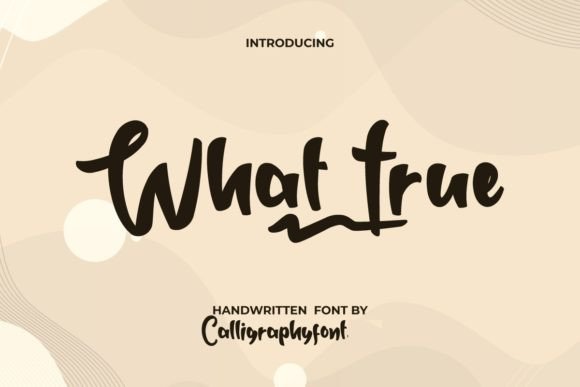
At first glance, What True presents itself as a handwritten font that mimics the natural flow of calligraphy. However, unlike many script fonts that struggle with consistency or become illegible at smaller sizes, What True strikes a balance between artistic flair and practical application. The defining feature of this typeface is its brush-like quality. The strokes vary significantly in weight, simulating the pressure changes of a physical brush pen. This variation gives the letters a sense of motion and life, preventing the text from feeling static or robotic.
The "modern feel" mentioned in its description comes from its clean execution. While it has the soul of traditional handwriting, it lacks the clutter often associated with vintage or retro scripts. The terminals are crisp, and the connections between letters are fluid but controlled. This makes it versatile enough for contemporary branding. It doesn’t scream "vintage" or "rustic"; instead, it whispers "curated" and "thoughtful."
When evaluating any premium font, it is crucial to look beyond the headline size. What True holds up well because its character shapes are distinct. Even when isolated, each letter retains its identity. This is vital for logo design, where the type must stand alone without supporting imagery. The irregularities aren't random errors; they are intentional stylistic choices that add warmth and human touch to digital interfaces and print materials alike.
Strategic Applications Across Industries
One of the most common mistakes designers make is using script fonts everywhere. They become a crutch for adding "style" without considering context. What True shines brightest when used strategically. Because it is a display font with strong character, it demands attention. Therefore, it should be reserved for moments where you want to establish tone quickly.
- Brand Identity & Logo Design: For small businesses aiming for an artisanal or personalized feel, What True can serve as the primary logotype. Imagine a bakery, a jewelry maker, or a freelance photographer using this for their name. It suggests craftsmanship and care. Pairing it with a clean sans serif font for secondary information (like taglines or contact details) creates a perfect hierarchy.
- Packaging Design: In the crowded world of consumer goods, shelf presence is everything. What True adds an immediate sense of premium quality to labels. Whether it’s a label for hot sauce, a cosmetic jar, or a gift box, the brush strokes convey a handmade, small-batch aesthetic that consumers associate with higher value.
- Editorial & Publishing: Bloggers and publishers looking to break up text blocks can use What True for pull quotes, section headers, or featured titles. It breaks the monotony of body text (which should always be a highly readable serif font or sans serif font) and guides the reader’s eye through the content.
- Social Media Graphics: In the fast-scrolling world of Instagram and Pinterest, text overlays need to pop. What True’s high contrast ensures visibility even on busy backgrounds. It works exceptionally well for quote graphics, event announcements, or promotional banners where a personal touch is desired.
It is also worth noting that What True fits seamlessly into web design contexts where emotional connection is key. For landing pages selling creative services, courses, or handmade products, the font reinforces the message of authenticity. It tells the visitor, "This was made by a person, not a machine."
The Psychology of Brush Scripts
Why does this specific style resonate? Psychological studies in typography suggest that handwritten-style fonts trigger associations with creativity, friendliness, and approachability. By choosing What True, you are subconsciously signaling to your audience that your brand is accessible and human-centric. However, because it is stylized rather than purely casual, it retains an air of professionalism. It avoids the pitfall of looking too childish or unpolished, which is a risk with less refined creative font options.
Practical Implementation and Best Practices
Having access to the font files is only half the battle. To get the most out of What True, you need to apply sound typographic principles. Here is how to integrate it effectively into your projects.
Evaluating Project Fit
Before dropping What True into a layout, ask yourself: Does this project require warmth? If you are designing a technical manual, a legal document, or a corporate report for a financial institution, this font is likely inappropriate. It belongs in sectors like lifestyle, fashion, food, beauty, arts, and education. For these industries, the commercial font usage aligns perfectly with brand values.
Mastering Font Pairing
The success of a design often hinges on font pairing. Since What True is visually dominant, it needs a quiet partner. Avoid pairing it with other scripts or heavy display fonts. Instead, opt for a neutral, highly legible typeface.
- Minimalist Sans-Serifs: Fonts like Helvetica, Roboto, or Montserrat provide a stark, clean contrast that allows the brush strokes of What True to breathe. This combination is ideal for modern startups and tech-adjacent brands that want to appear friendly yet professional.
- Classic Serifs: For a more editorial or sophisticated look, pair What True with a transitional serif like Garamond or Playfair Display. The elegance of the serif complements the artistry of the script, creating a harmonious balance suitable for high-end packaging or luxury branding.
Readability and Hierarchy
Never set long paragraphs of body text in What True. Its irregular brush strokes will cause eye fatigue and reduce comprehension. Use it strictly for headlines, titles, short phrases, and logos. When establishing visual hierarchy, let What True handle the primary emphasis, while your chosen pairing handles the informational density. This distinction ensures that your audience can scan your content easily while still appreciating the aesthetic details.
Licensing and Usage Rights
As a design asset, it is critical to review the licensing terms provided by CalligraphyFonts. Most premium fonts come with different tiers of licenses, such as desktop, web, and app embedding rights. Ensure that your intended use case—whether it’s for a local business card or a global e-commerce website—is covered by your license. Proper licensing protects you from legal issues and supports the foundry that created these valuable design assets.
Final Thoughts on Integration
What True is more than just a pretty typeface; it is a tool for communication. It bridges the gap between digital precision and analog charm. By understanding its strengths—its brush-like texture, its modern elegance, and its versatility—you can deploy it confidently across a wide range of projects. From brand identity systems to one-off social media graphics, it adds a layer of sophistication that resonates with adults and professionals who appreciate quality and authenticity. When used with restraint and paired correctly, What True becomes an indispensable part of your creative arsenal, helping your designs stand out in a noisy world.